


When your heating or cooling system starts acting up, the first question is often whether it needs a simple repair or a complete replacement. Knowing the difference can save you money, prevent unnecessary disruptions, and help you make a more confident decision. If you need HVAC help near Point Pleasant, NJ, understanding the warning signs can also make it easier to explain the problem and discuss your options with a professional.
An HVAC system is a major part of your home’s comfort, so replacing it should not be the automatic response to every problem. At the same time, continuing to repair an aging system can become expensive and unreliable. The right choice depends on several factors, including the age of the equipment, the type of problem, repair costs, energy performance, and how often breakdowns occur.
When an HVAC Repair Makes Sense
Repairs are often the best option when the problem is isolated, relatively inexpensive, and the system is otherwise performing well. Many common HVAC issues can be resolved without replacing the entire unit.
For example, a faulty thermostat, clogged filter, worn electrical component, loose connection, or minor refrigerant issue may be repairable. If your system is relatively new and has been properly maintained, repairing a specific component can extend its useful life while avoiding the cost of new equipment.
Another factor is the overall condition of the system. If it has a solid maintenance history, operates efficiently, and rarely breaks down, there may be little reason to replace it simply because one component has failed.
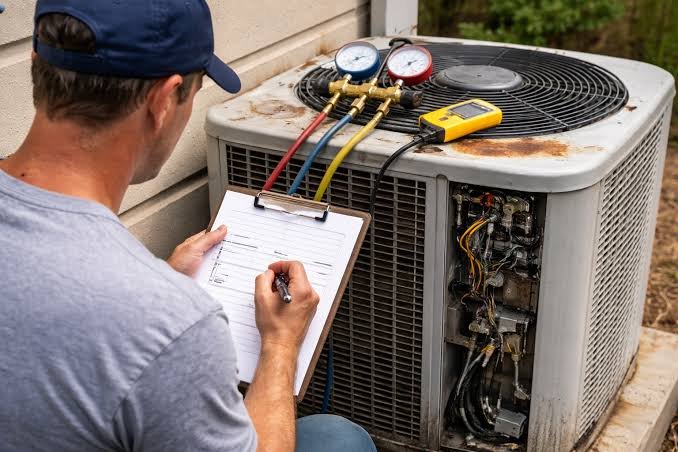
A professional inspection can help determine whether the problem is limited to a single part or whether it indicates a larger issue developing within the system.
Signs That Replacement May Be the Better Choice
There comes a point when repairing an HVAC system no longer makes financial or practical sense. One of the clearest warning signs is age. Heating and cooling equipment has a limited service life, and older systems may become increasingly difficult or expensive to maintain.
Frequent breakdowns are another indication that replacement deserves consideration. If you have needed several repairs within a short period, the individual costs can quickly add up. More importantly, repeated failures may suggest that the system is approaching the end of its useful life.
You may also notice declining performance. Rooms that used to stay comfortable may become too warm or too cold, the system may run for unusually long periods, or airflow may become inconsistent. These problems do not always mean replacement is necessary, but when they occur alongside an aging system, they are worth discussing with an HVAC professional.
Consider the Cost of the Repair
The price of a repair should be considered in relation to the condition and expected remaining life of the equipment. A relatively inexpensive repair on a dependable system may be an easy decision. A major repair on an older unit is a different situation.
Consider the bigger picture rather than looking only at the immediate repair bill. If the equipment has already required several costly repairs, another major component failure could make continued ownership less attractive.
It is also important to remember that a replacement involves more than purchasing new equipment. Installation, labor, potential ductwork modifications, electrical requirements, and other factors can affect the total cost. A professional should provide a clear explanation of what is involved before you make a decision.
Energy Efficiency Matters
Older HVAC systems may use more energy than newer models, particularly if their efficiency has declined over the years. If your heating and cooling bills have steadily increased without a major change in usage, the system may be working harder than it should.
However, high energy bills do not automatically mean that replacement is necessary. Poor insulation, leaky ductwork, dirty filters, incorrect thermostat settings, and other home-related issues can also affect energy consumption.
A thorough assessment can help identify whether the equipment itself is responsible for poor efficiency or whether a smaller repair or home improvement could address the issue.
Comfort Problems Should Not Be Ignored
An HVAC system should provide reasonably consistent comfort throughout the home. Persistent hot or cold spots, weak airflow, unusual cycling, or difficulty maintaining the thermostat setting may indicate an underlying problem.
Sometimes these symptoms can be corrected through maintenance or repair. For example, airflow problems may be related to blocked filters or ductwork issues rather than a failing system. In other cases, persistent comfort problems may indicate that the equipment is no longer capable of meeting the home’s needs.
The important thing is to identify the cause before deciding what action to take.
Ask About the System’s Overall Condition
Before choosing between repair and replacement, ask an HVAC professional to evaluate the entire system rather than focusing only on the immediate fault.
Useful questions include: How old is the equipment? What caused the current problem? Is the repair likely to provide a lasting solution? Are other components showing signs of wear? How much longer could the existing system reasonably operate? Would replacement significantly improve reliability or efficiency?
These questions can give you a clearer picture of what you are actually paying for. A trustworthy professional should be able to explain the condition of the equipment without pressuring you into an immediate purchase.
Maintenance Can Delay Major Decisions
Regular maintenance can help identify developing problems before they become expensive emergencies. Replacing filters, keeping outdoor equipment clear of debris, checking system components, and scheduling professional inspections can all contribute to more reliable operation.
Maintenance cannot prevent every failure, and it cannot make an aging system last indefinitely. However, it can help you understand the condition of your equipment and potentially catch smaller issues before they turn into major repairs.
It also gives homeowners a better opportunity to plan for replacement rather than being forced to make a decision during an uncomfortable breakdown.
Conclusion
There is no universal rule that says every malfunctioning HVAC system should be repaired or every older system should be replaced. The best choice depends on the equipment’s age, condition, repair history, efficiency, and the cost of the proposed work.
If the system is relatively young and the problem is isolated, repair may be the sensible option. If the equipment is aging, unreliable, inefficient, and requiring increasingly expensive repairs, replacement may provide better long-term value.
The goal is not simply to choose the cheapest option today. It is to choose the solution that provides dependable comfort and reasonable operating costs over time. A careful evaluation from a qualified HVAC professional can help you understand your options and make a decision based on the actual condition of your system.
