


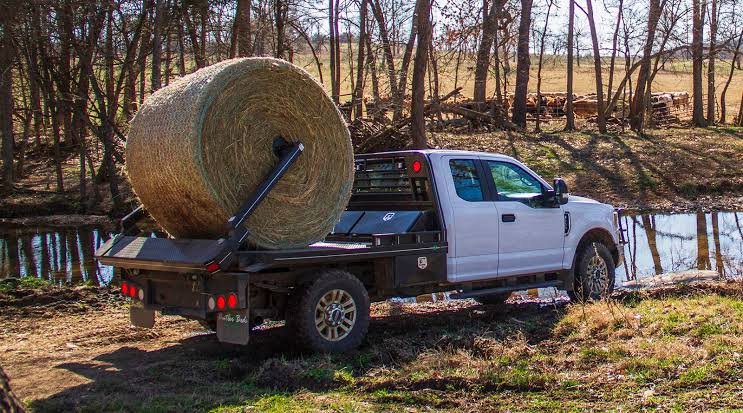
Key Takeaways
Bale beds can lead to a remarkable 30% reduction in feed waste compared to traditional feeding methods, thereby enhancing cost efficiency and resource management.
These modern bale beds automate the feeding process, which boosts labor efficiency and gives producers the freedom to focus their time on other critical tasks.
Equipped with innovative features like hydraulic controls and integrated scales, bale beds enhance feed distribution and monitoring, making livestock management more efficient.
Proven results from dairy and beef operations that have adopted bale beds show marked improvements in both animal health and productivity, alongside significant reductions in feed loss.
It’s vital to thoughtfully consider herd size, dietary requirements, and operational goals when selecting the right bale bed to achieve optimal performance.
Regular maintenance and cleaning habits can extend the lifespan of a bale bed, ensuring it remains a reliable tool for producers.
The economic advantages of investing in bale beds typically outweigh the initial expenditure, leading to noticeable savings in feed, labor, and overall livestock performance.
Maximizing Efficiency: The Science Behind Bale Beds
How Bale Beds Reduce Waste and Save Costs
The agricultural industry continually evolves as producers seek ways to enhance their operations economically. Bale beds play a pivotal role in minimizing waste. They not only optimize feed usage but also foster significant cost efficiency. Traditional feeding methods can incur up to 30% feed waste, a challenge that modern bale beds help mitigate by ensuring livestock benefit from the available feed and minimizing spillage.
A well-constructed bale bed empowers farmers to utilize their hay and silage with much greater effectiveness. Livestock can access food directly from the bed, fostering healthier feeding habits while cutting down on waste. Various styles of bale beds, each with their distinctive features, have proven essential in reducing feed waste significantly. This preservation of feed translates into notable savings for producers over time.
The labor costs matter too. Traditional manual feeding is often laborious and time-consuming. With a bale bed, much of this process becomes automated, allowing producers to shift their focus to other important tasks.
- Reduces feed waste by up to 30%.
- Enhances labor efficiency.
- Promotes better animal health through improved diet access.
Innovative Features That Enhance Feed Delivery
Today’s bale beds are outfitted with features that can truly revolutionize the feeding experience. These aren’t merely decorative; they offer tangible benefits that can elevate day-to-day operations. Many models include hydraulic controls and adjustable settings. This flexibility permits operators to spread feed over larger areas or target specific locations for different herds. And that’s only the beginning.
For example, several designs incorporate built-in scales. This capability allows producers to track precisely how much feed is dispensed, which facilitates better cost management. Additionally, these smart designs lessen the time spent on checks and recalibration, further streamlining operations.
- Hydraulic controls aid in effective feed distribution.
- Integrated scales improve monitoring and tracking.
- Adjustable settings accommodate varied livestock needs.
Real-World Applications for Modern Livestock Operations
Bale beds aren’t just a fleeting trend; they signify a transformational shift in livestock management practices. Both large and small operations are reaping incredible benefits. Consider dairy farms, where efficient feed management is crucial. By utilizing bale beds, dairy producers report not only healthier animals but also enhanced milk production and exceptional feed efficiency.
Similarly, beef cattle operations have found success with bale beds. These operations often face challenges with feed loss during extreme weather, but adopting the right bale bed design can alleviate that issue, ensuring nutrition remains a priority. Interestingly, livestock managers who explore the use of bale beds often find these units facilitate diverse feeding strategies tailored to seasonal and weather-related conditions.
“Adopting bale beds has not only saved us feed costs; it has transformed the way we manage our herd.” – A satisfied farm manager.
Looking at the bigger picture, the implementation of bale beds not only benefits individual farms but also promotes sustainable farming practices and improves livestock welfare overall.
Choosing the Right Bale Bed: Key Considerations
How to Evaluate Feed Volume and Livestock Needs
Selecting the optimal bale bed isn’t a straightforward process. Several factors play a role. Evaluating the feed volume required for livestock is essential. Producers need to account for the number of animals and their dietary specifications. A nutritious diet is key to productive herds, and matching the right bed to these needs is vital for achieving the best health outcomes.
When picking a bale bed, herd size and composition should be taken into account. For instance, larger groups might see advantages from wider beds that can handle multiple bales, facilitating distribution over greater areas. On the other hand, smaller farms may favor more compact designs for greater adaptability. Aspects like how often feeding occurs and the types of hay or silage used can also influence the decision.
- Determine daily feed requirements.
- Assess herd size and type.
- Match feeding strategies to specific needs.
Comparing Different Bale Bed Designs for Optimal Performance
The market features an array of bale bed options, each presenting unique characteristics tailored to specific needs. Producers should undertake comprehensive comparisons to discern which design best conforms to their operation. One should evaluate aspects like weight distribution, transport ease, and overall design efficiency.
Flatbeds are a go-to choice, offering versatility for different feeds and animal varieties. Then there are rotary designs, which excel in distributing feed evenly. But doesn’t versatility matter just as much? After all, feeding patterns aren’t universally alike.
- Evaluate weight distribution for stability.
- Consider transportability based on operation size.
- Choose a design that supports the feeding strategy.
Budget-Friendly Options: What to Look For
The expense of investing in a bale bed can be significant. Yet, budget-friendly options are very much alive. It’s all about making knowledgeable choices. When considering options, producers should seek models that are durable, cost-effective, and functional. Investigating warranties and service agreements can provide essential assurances about quality.
Another avenue is to look into used equipment. Quality bale beds might be available at much lower prices, and when chosen wisely, they can still meet performance expectations. Moreover, financing options may help make these essential tools more attainable.
- Investigate warranty and service agreements.
- Consider certified pre-owned options.
- Explore financing solutions from providers.
Maintenance and Care: Ensuring Longevity of Your Bale Bed
Best Practices for Routine Maintenance Checks
For a bale bed to endure through the years, producers should value routine maintenance checks. Priority must be given to ensuring all mechanical aspects are functioning optimally. Regular inspections should entail checking hydraulic systems, wiring, and the overall structure of the bed.
Many professionals advise maintaining a record of maintenance schedules, detailing repairs made and noting any parts that might require future replacement. Cleaning the equipment regularly helps ward off wear and tear while enhancing its longevity.
- Check hydraulic and electrical components routinely.
- Document maintenance schedules for accountability.
- Keep equipment clean and free of obstructions.
Identifying and Solving Common Issues
Even the most reliable equipment may face challenges. Spotting issues early can save both money and time. Producers should be alert for unusual sounds, inconsistent feed distribution, or hydraulic leaks. Recognizing when to take action is crucial; neglecting these signs can result in downtimes that impede operations.
Seeking professional support can often yield quick remedies. Many manufacturers offer troubleshooting guides that cover common problems and their solutions. Those who become familiar with their equipment often feel more in control, boosting its performance and lifespan.
- Be aware of unusual noises during operation.
- Monitor feed distribution consistency.
- Consult troubleshooting guides for quick fixes.
Tips for Extending the Life of Your Equipment
Caring for equipment is key to longevity. Simple practices can greatly extend the life of a bale bed. Storing the unit in a sheltered spot prevents weather-related wear. A thorough deep clean before seasonal changes, especially ahead of winter, is crucial since grain and feed residues attract pests; keeping these areas tidy is a must.
It’s also important to use the bale bed according to its specified limits. Overloading can cause strains that decrease lifespan. Becoming familiar with the manufacturer’s guidelines is also beneficial, as this information offers insights into optimal operational conditions and maintenance directives.
- Store equipment in sheltered environments.
- Conduct pre-season deep cleans for upkeep.
- Use equipment within its operating limits.
Success Stories: Transforming Livestock Operations with Bale Beds
Case Studies: Farms That Experienced Dramatic Improvements
Numerous farms across the country have introduced bale beds with remarkable results. One dairy operation in Wisconsin began using a bale bed system and saw a 25% increase in milk production. The owner credited this to reduced feed waste and better access for the livestock. Similarly, a beef operation in Texas reported that cattle were more efficient in their feed intake, resulting in quicker weight gain. These efficiencies translate directly into financial gain – a definite win-win.
More producers are sharing their success stories through case studies that showcase these transformations. The benefits clearly extend beyond immediate cost savings, fostering long-term changes that positively influence feeding practices.
“With a bale bed, we’re not just feeding our livestock; we’re investing in their health and performance.” – Dairy producer from Wisconsin.
Shifting to modern practices like these brings a measurable enhancement in productivity for livestock operations.
Testimonials: What Satisfied Clients Are Saying
Clients have been quick to express their pleasure with bale beds. Many not only report improved feed efficiency but also a reduction in livestock health issues. One farmer remarked, “The difference was apparent almost immediately. Healthier cattle led to better milk output.” Feedback like this underscores the powerful impact of these tools.
Another producer mentioned reclaiming five hours each week from feeding duties simply by switching to a bale bed. Such efficiencies create a positive ripple effect, enhancing overall operational output and employee satisfaction.
- Clients experience improved livestock health.
- Efficiency gains often lead to time savings.
- Positive feedback often translates into better performance metrics.
The Long-Term Economic Impact of Investing in Bale Beds
Some might view the upfront investment as a barrier. However, the long-term advantages frequently tell a different tale. A bale bed that’s properly utilized can pay for itself within just a few seasons, ultimately saving producers thousands in feed expenses and labor. The real worth of these tools lies in their ability to encourage sustainability and improve operational efficiency.
When considering the economic impact, it’s wise to take into account factors like feed cost savings, reduced labor hours, and healthier livestock, all of which result in greater outputs. Over time, these cumulative benefits can foster a more resilient operation, ultimately boosting profitability. Isn’t that the goal for every operation? A promising, financially sustainable future.
- Long-term savings often outweigh initial investments.
- Healthier livestock can lead to higher outputs.
- Sustainability fosters operational resilience.
FAQ
What types of livestock benefit most from using bale beds?
Dairy and beef cattle operations typically realize the most significant advantages from incorporating bale beds. These systems cater well to their respective needs, enhancing nutritional intake and overall health, which in turn boosts productivity.
How can producers assess the return on investment for bale beds?
Evaluating ROI involves analyzing feed savings, labor time reduction, and enhancements in livestock health and productivity. Tracking these metrics consistently provides insights into the cumulative benefits that offset initial costs.
What are the most common materials used in bale bed construction?
Bale beds can be constructed from materials such as steel and aluminum. Steel offers durability and stability, while aluminum tends to be lighter and resistant to corrosion. The choice of material often hinges on specific operational requirements.
How can automation in bale beds reduce labor costs?
Many modern bale beds come equipped with automated functions that simplify the feeding process. By reducing the need for manual labor, producers can then devote their efforts to other essential tasks around the farm, significantly improving overall efficiency.
Are there specific maintenance tips for hydraulic components in bale beds?
Regular checks of hydraulic fluid levels and inspections for leaks are crucial practices. It’s also important to ensure all hydraulic connections are secure and free from debris to keep the system functioning smoothly and efficiently.
What role do feeding strategies play in maximizing bale bed effectiveness?
Tailoring feeding strategies to align with herd types and environmental factors greatly enhances the effectiveness of bale beds. Adjusting both the quantity and timing of feed distribution can synchronize with livestock intake patterns, improving overall productivity.
Can bale beds be used for different types of feed beyond hay and silage?
Definitely. Producers can utilize bale beds for a variety of feed types, including grains and high-moisture feeds. The adaptability of bale beds allows for varied dietary strategies to suit different herds.
How do producers monitor feed usage when employing bale beds?
Many contemporary bale beds feature built-in scales that provide accurate data on feed dispensed. Producers can leverage these measurements to monitor usage, adjust feeding regimens, and effectively manage costs.
Useful Resources
- eXtension Foundation– Offering educational resources in agriculture and animal husbandry.
- Successful Farming– Features articles and advice for modern farming practices.
- Iowa State University Extension– Dedicated to agricultural education and efficient farm management techniques.
- Natural Resources Conservation Service– Provides resources on sustainable farming and conservation techniques.
- Texas A&M University AgriLife– Educational resources related to livestock management and agricultural practices.
- Michigan State University Extension– Offers research-based education on livestock management.
- University of Nebraska-Lincoln– Provides publications on beef and dairy cattle management.
- Agricultural and Applied Economics Association– Resources focused on economic efficiency in farming practices.
