


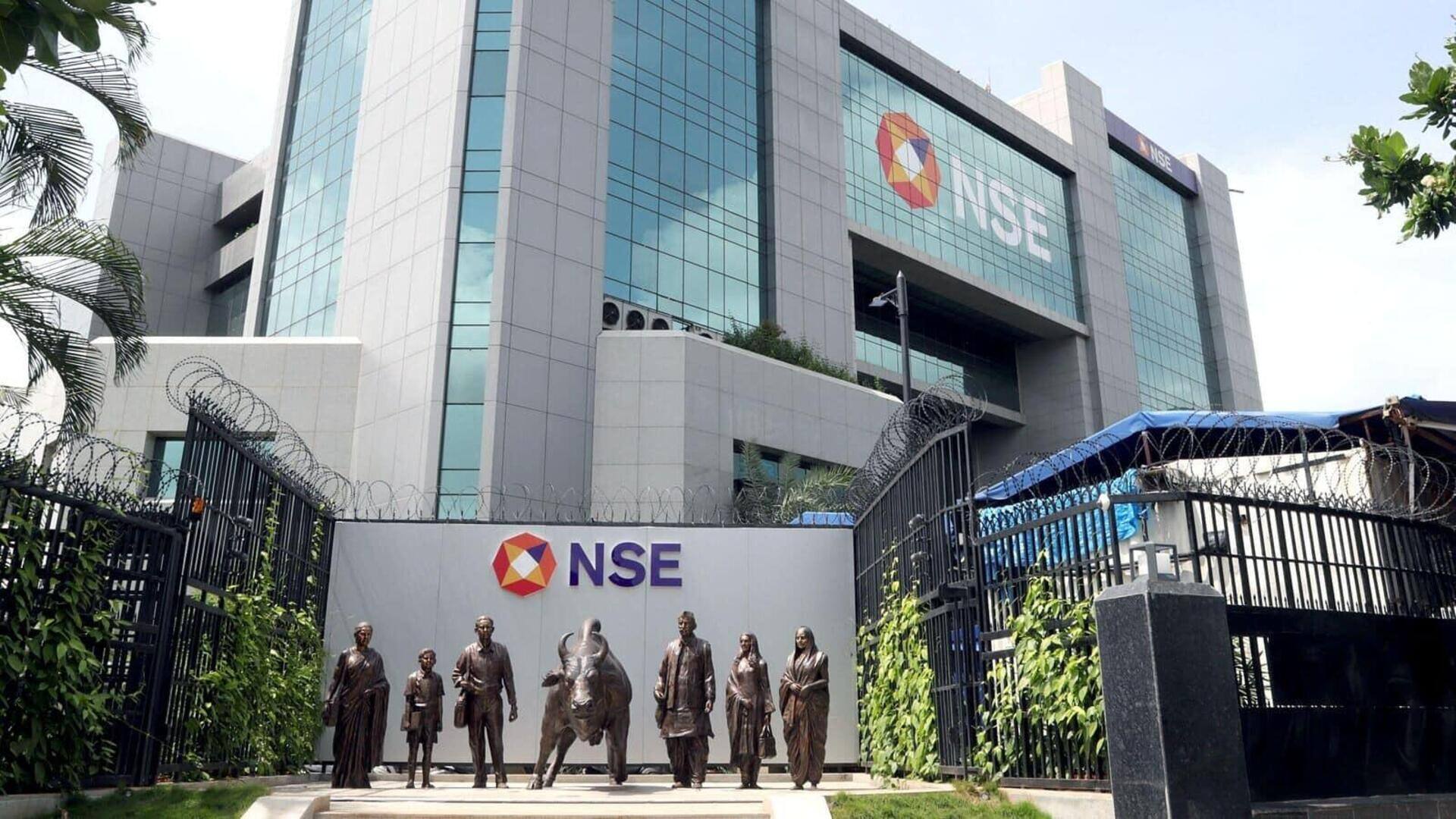
The New Stock Exchange (NSE) IPO is still one of India’s most-anticipated mega-listings. As the country’s best stock exchange gets ready for its public debut, investors are keeping a close eye on events, especially the state of IPO allotments. The IPO is still in the planning stages, so information about how to allocate shares is not yet available.
NSE IPO: How Things Are Going Now
Important steps have been taken by NSE toward its IPO. The board has agreed to a format called “pure Offer for Sale” (OFS). The No Objection Certificate (NOC) has been issued by SEBI, meeting important regulatory standards. The exchange has hired a big group of merchant bankers and asked shareholders who are eligible to send expressions of interest (EOI).
It is thought that NSE is worth between ₹4 and ₹7 lakh crore, making it one of the biggest public problems in recent years. The money will only go to the owners who are selling.
NSE is a good candidate for listing because it has a strong place in the equity, derivatives, and currency markets, as well as strong profitability and steady revenue growth.
Structure for the NSE IPO
Pure offer to sell is the type of issue.
Size: ₹20–25 crore
Existing shareholders who meet certain cut-off standards for the OFS portion are eligible.
IPO Allotment Status: The Present Situation
The IPO allotment status is not available right now because the NSE IPO has not yet opened for general subscription. You can’t see information about allotments until the problem is over, which usually takes one to two days after the registrar confirms the basis of allotment.
When the IPO starts, buyers will be able to see how their shares are being distributed by:
- Account Number (Client ID)
- PAN Number
- Application Number
You can check the status on the registrar’s website, on the BSE or NSE portals, or through broker apps. For a big problem like NSE, the process should be handled by a well-known registrar like Link Intime or KFintech.
IPO Allotment: How It Works
As with most book-built IPOs, like NSE’s:
QIB Part: About half of it
15% of the NII
35% of the retail portion
If there are too many applications, they are given out based on balance. Because NSE is a premium stock exchange, there will likely be a lot of demand, which could mean lower allotment rates for retail investors. Once the price band is set, Grey Market Premium (GMP) will give early signs of how people feel about selling.
In conclusion
Right now, we don’t know the IPO allotment status for NSE, but the IPO is moving smoothly toward a historic launch. This huge problem shows how strong India’s financial system is. Investors should make sure their demat accounts are ready, read the official SEBI reports, and stay up to date on news from the NSE and BSE. As soon as the issue becomes public, everyone will need to check the state of their allotment.
